The Technology Trends Shaping Medical Offices in 2026
Digital operations in healthcare have come such a long way from patient logs and sheets on computers. We are now in an age where nearly EVERYTHING is digital—the logbooks, the appointment systems, the history and data, and more. Even customer service and feedback are now done online.
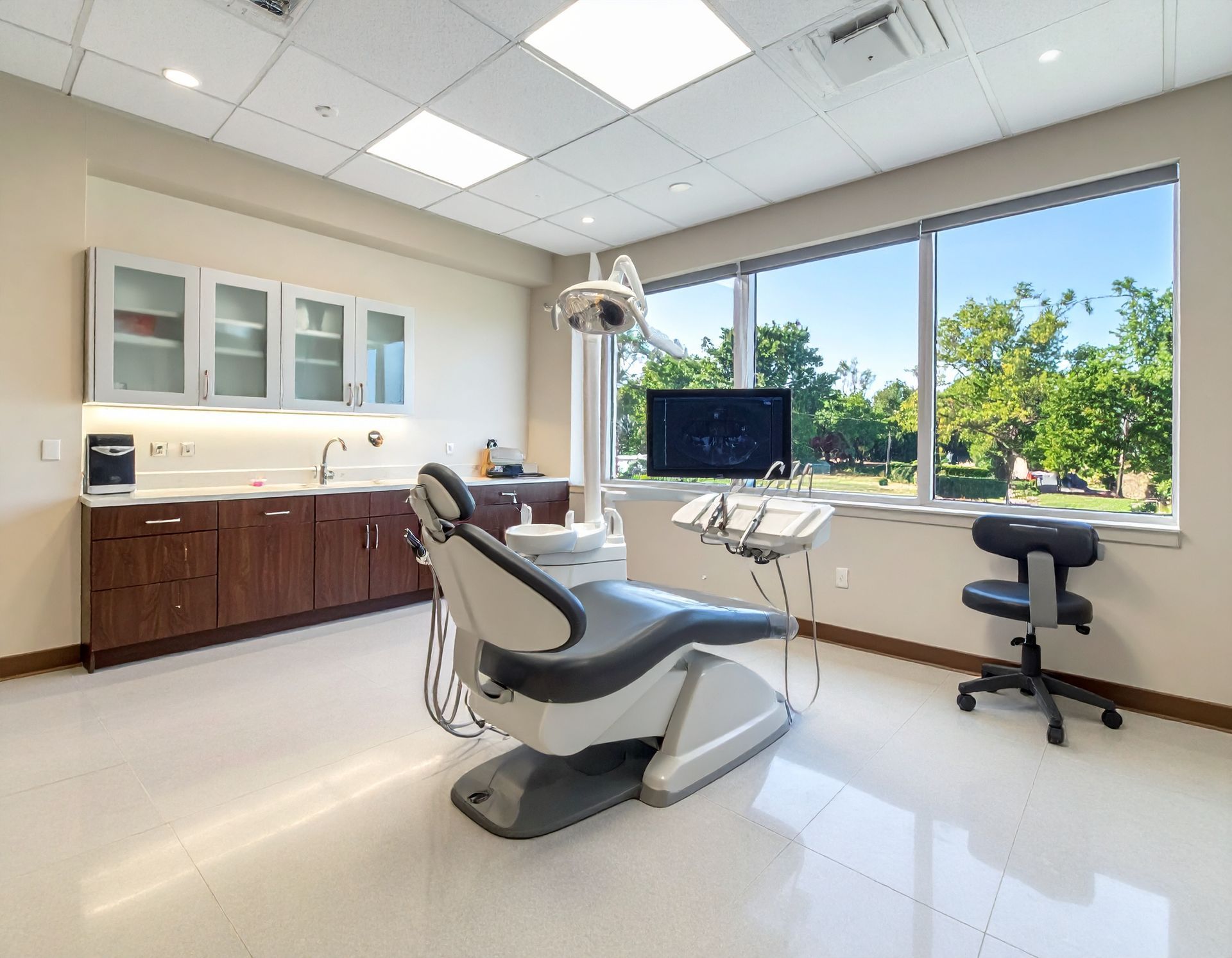
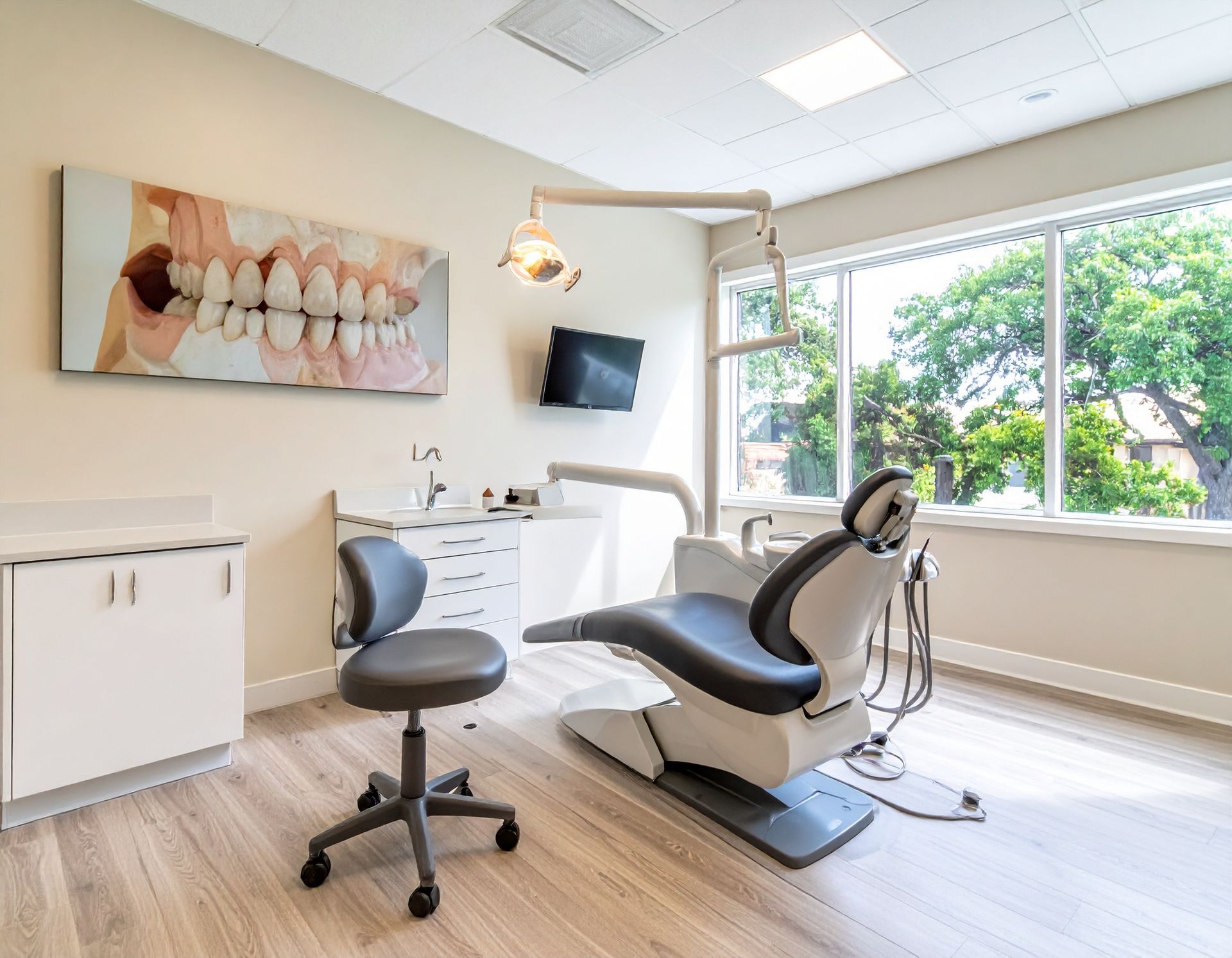
That said, medical technology is no longer just back-end support. Everything is right there in the exam room, affecting patient care, how offices stay compliant, and overall health outcomes.
In 2026, the healthcare industry is facing growing cybersecurity threats, tighter HIPAA regulations, staffing shortages, and patients who expect faster, tech-enabled healthcare services.
But meeting those expectations? That requires more than simply applying a software update every few months. You need a real, cohesive, and safe IT strategy. One that prioritizes security, keeps systems running, and makes healthcare delivery smarter.
Below are the most important digital trends shaping the
future of healthcare and how you can implement them in your clinic.
Implementing a cloud-first infrastructure
There has been a huge shift from on-premise servers to cloud-based information systems. It is now becoming the standard across healthcare organizations and health systems.
With the cloud, you can scale up fast, cut hardware costs, and access patient records, scheduling tools, billing software, and even imaging platforms from basically anywhere.
This is super helpful for remote teams, multi-location practices, or when emergencies happen, and you need uninterrupted access.
These days, nearly everything in healthcare lives in the cloud:
- EHR systems
- imaging platforms
- scheduling software
- billing solutions
- internal communications.
However, moving to the cloud does not automatically mean secure.
Medical practices need to make sure their vendors are actually HIPAA-compliant. That means encryption, multi-factor authentication, signed Business Associate Agreements, and reliable backups. Without these protections in place, you're trading convenience for massive risk. And nobody wants to explain a data breach to patients.
For many practices, working with healthcare IT partners like us here at
Allierad IT Solutions helps ensure migrations are
structured, secure, and compliant from day one.
Artificial Intelligence (AI) in everyday workflows
Artificial intelligence used to be this huge futuristic concept. But look at it now, it is simply part of the digital workflow.
In the healthcare industry, AI can be used for different cases:
- Machine learning and data analytics. This can support appointment scheduling, help with billing and coding, sort through patient messages, and generate clinical documentation.
- Telehealth scribes. This can cut down note-taking time so doctors can simply focus and engage with the patient in front of them instead of drowning in notes and paperwork.
- Datasets. On the clinical side, AI can check datasets, review imaging studies, and spot early warning signs for various patient conditions.
These tools, when used correctly, can help providers build better treatment plans (precision medicine and personalized approaches tailored to each patient).
However, AI is meant to assist, not replace, medical professionals. The systems still need to be transparent and validated.
You can't just trust a random AI recommendation when actual patient safety and livelihood are on the line. Oversight is still important here.
Cybersecurity as a clinical priority
When ransomware shuts down systems, offices lose access to records, appointments are delayed, and patient safety is compromised.
Protecting patient data and maintaining real-time access to systems is essential for daily operations.
Modern medical offices are adopting:
- Zero Trust security models
- multi-factor authentication
- endpoint protection for medical devices and workstations
- 24/7 monitoring
- ongoing staff training
Employee awareness is just as important as software. Phishing attacks and weak passwords remain the most common causes of breaches today.
Security is not at all optional when you have a tech-heavy medical infrastructure. It should be a required standard across the
healthcare sector.
Automation and proactive IT monitoring
You should not wait until something breaks. Automation and advanced technology allow practices to monitor systems in real-time, like automatically applying patches and detecting problems before they disrupt operations.
This highly proactive approach keeps EHR platforms, networks, and medical equipment running 24/7.
The result is fewer outages, fewer canceled appointments, and a better patient experience.
For care teams, it means smoother operations and more time focused on patients rather than troubleshooting.
Telehealth and remote care
Telehealth has become a permanent part of healthcare delivery.
Routine visits, follow-ups, medication checks, and mental health consultations are now handled virtually.
Remote patient monitoring is also expanding, with devices that transmit blood pressure, glucose levels, heart rate, and other metrics directly to care teams.
These tools improve access and convenience while helping providers intervene earlier when issues arise.
Compliance and managed IT support (it is a never-ending job)
Regulatory expectations continue to grow across the healthcare industry.
Medical offices must maintain ongoing risk assessments, documented policies, staff training, and secure vendor management to meet HIPAA standards and evolving health technology assessment requirements.
For smaller practices, handling this internally can feel impossible.
That's why many healthcare providers turn to Allierad’s managed IT services. Healthcare-focused partners bring specialized expertise, proactive monitoring, and enterprise-grade solutions without the expense of building a huge in-house team.
Allierad IT Solutions handles security management, backup protection, compliance guidance, and hands-on support designed specifically for medical environments.
Are you ready to upgrade your medical office IT?
Give us a call—start with a comprehensive technology assessment. Let’s identify your current security gaps, outdated systems, and compliance risks before they disrupt patient care.
Working with a healthcare-focused partner like Allierad IT Solutions ensures your cloud migration, cybersecurity, and compliance strategy are handled correctly from day one.
Schedule a consultation today and build a more secure, reliable, and future-ready practice.