
Case Study: PC and Peripheral Installation Project
January 26, 2026
Challenge: The practice needed upgraded front desk PCs and new peripherals installed without interrupting patient check-in and payment processing.
Baytown Periodontics Dental Implantology required the installation of new micro PCs, a credit card machine, and battery backups at the front desk. These upgrades needed to be performed without disrupting administrative workflows.
Solution: Allierad IT Solutions delivered onsite hardware installation and remote configuration to ensure smooth integration.
Onsite Hardware Installation
- Installed two new micro PCs at the front desk.
- Set up an Ingenico Lane 3600 credit card terminal.
- Connected all devices to APC battery backups for power protection.
Remote Configuration and Vendor Coordination
- Configured the new PCs and integrated them with the practice network.
- Worked with Dentrix support to troubleshoot drivers and ensure the credit card terminal processed payments correctly.
Technology Implemented
- Hardware: Micro PCs, Ingenico Lane 3600, APC battery backups.
- Software: Dentrix Pay.
- Services: Onsite installation and remote vendor coordination.
Expected Results
The upgraded PCs provide faster, more efficient front office operations. The integrated credit card machine supports smooth payment processing, and the battery backups safeguard against power-related disruptions, creating a more resilient front desk workflow.
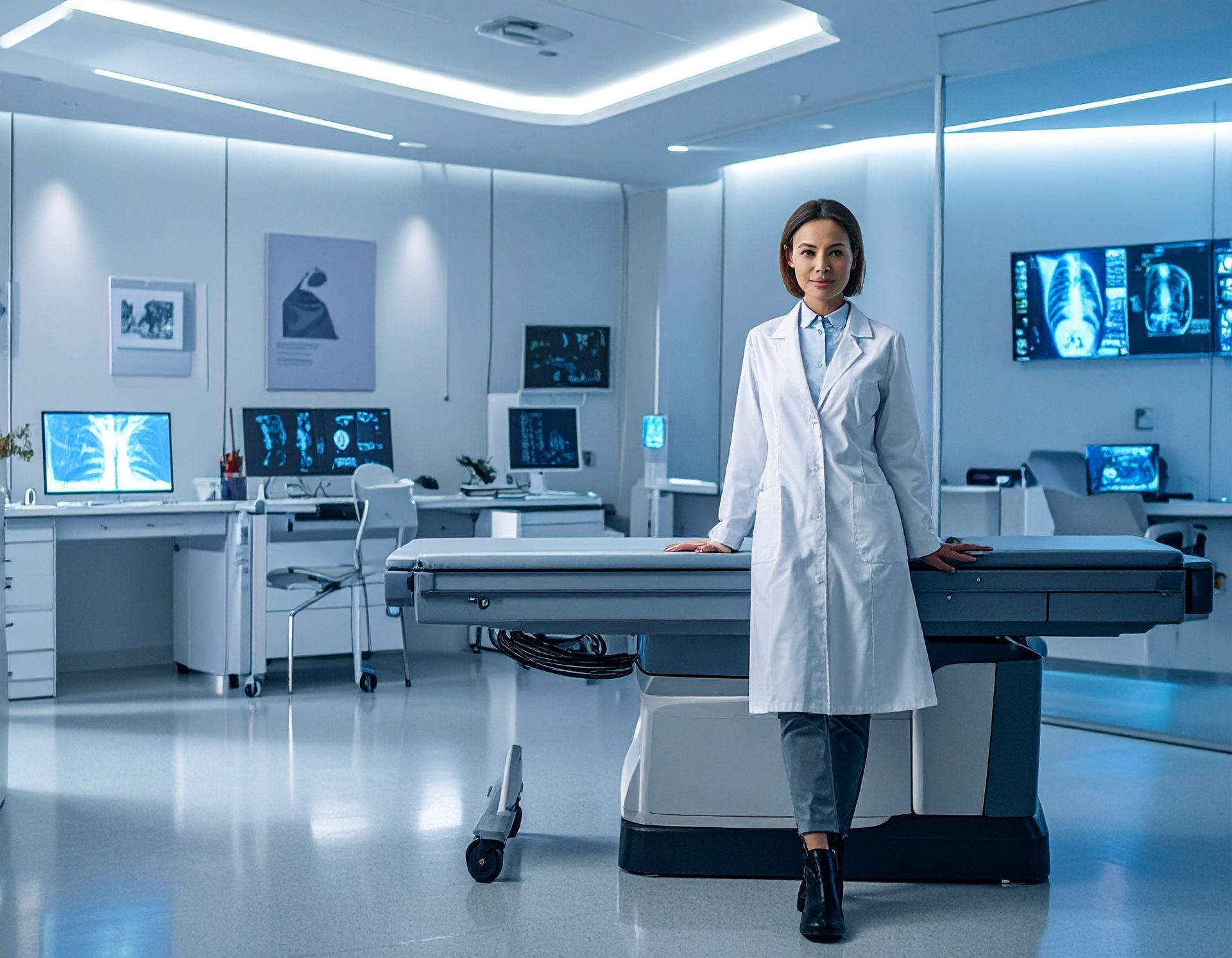
Digital operations in healthcare have come such a long way from patient logs and sheets on computers. We are now in an age where nearly EVERYTHING is digital—the logbooks, the appointment systems, the history and data, and more. Even customer service and feedback are now done online. That said, medical technology is no longer just back-end support. Everything is right there in the exam room, affecting patient care, how offices stay compliant, and overall health outcomes . In 2026, the healthcare industry is facing growing cybersecurity threats, tighter HIPAA regulations, staffing shortages, and patients who expect faster, tech-enabled healthcare services . But meeting those expectations? That requires more than simply applying a software update every few months. You need a real, cohesive, and safe IT strategy. One that prioritizes security, keeps systems running, and makes healthcare delivery smarter. Below are the most important digital trends shaping the future of healthcare and how you can implement them in your clinic.
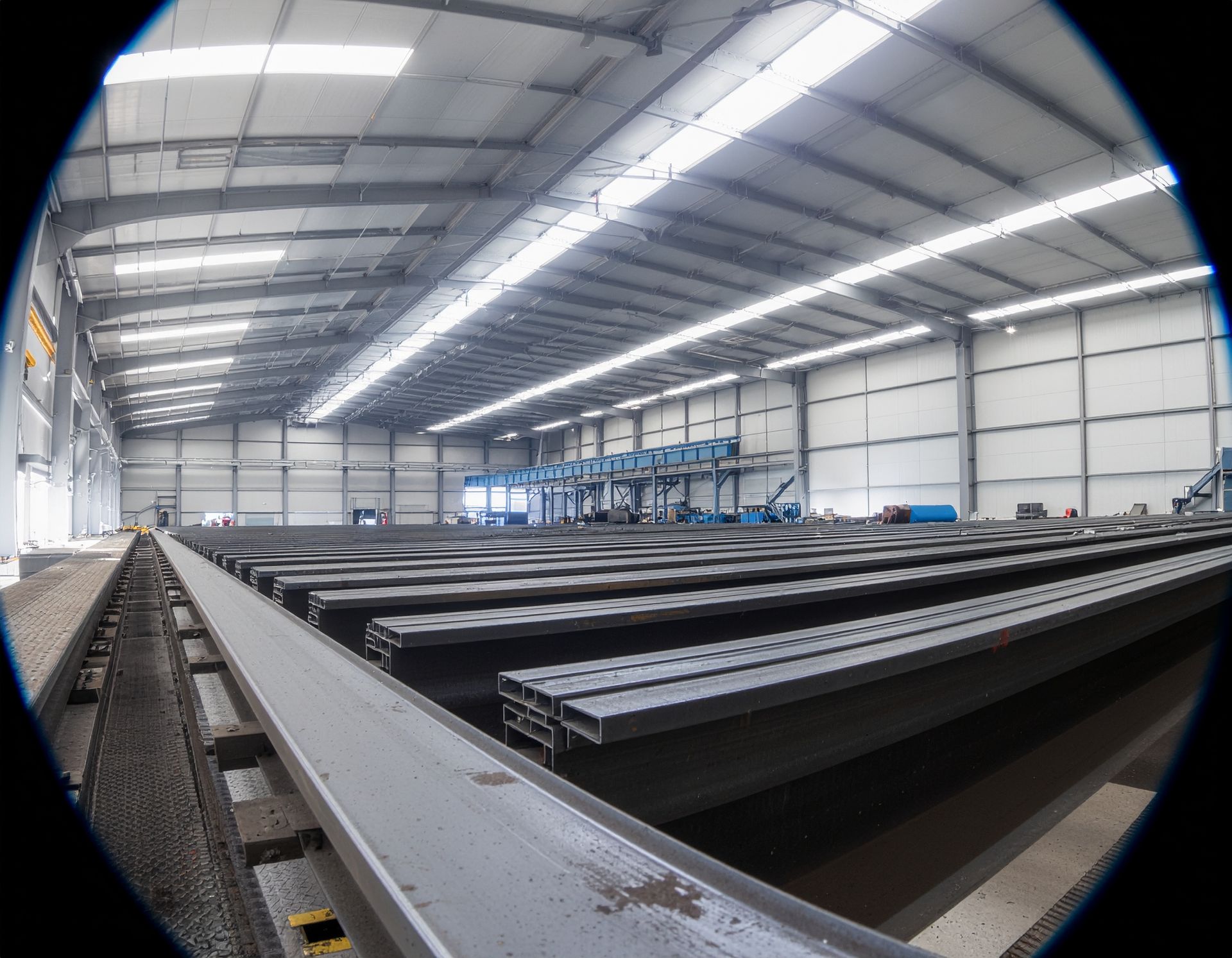
See how Allierad delivered on-premises IT support for a steel manufacturer — from secure workstation setup to integrated peripherals and MFA — enabling fast employee onboarding and improved productivity.
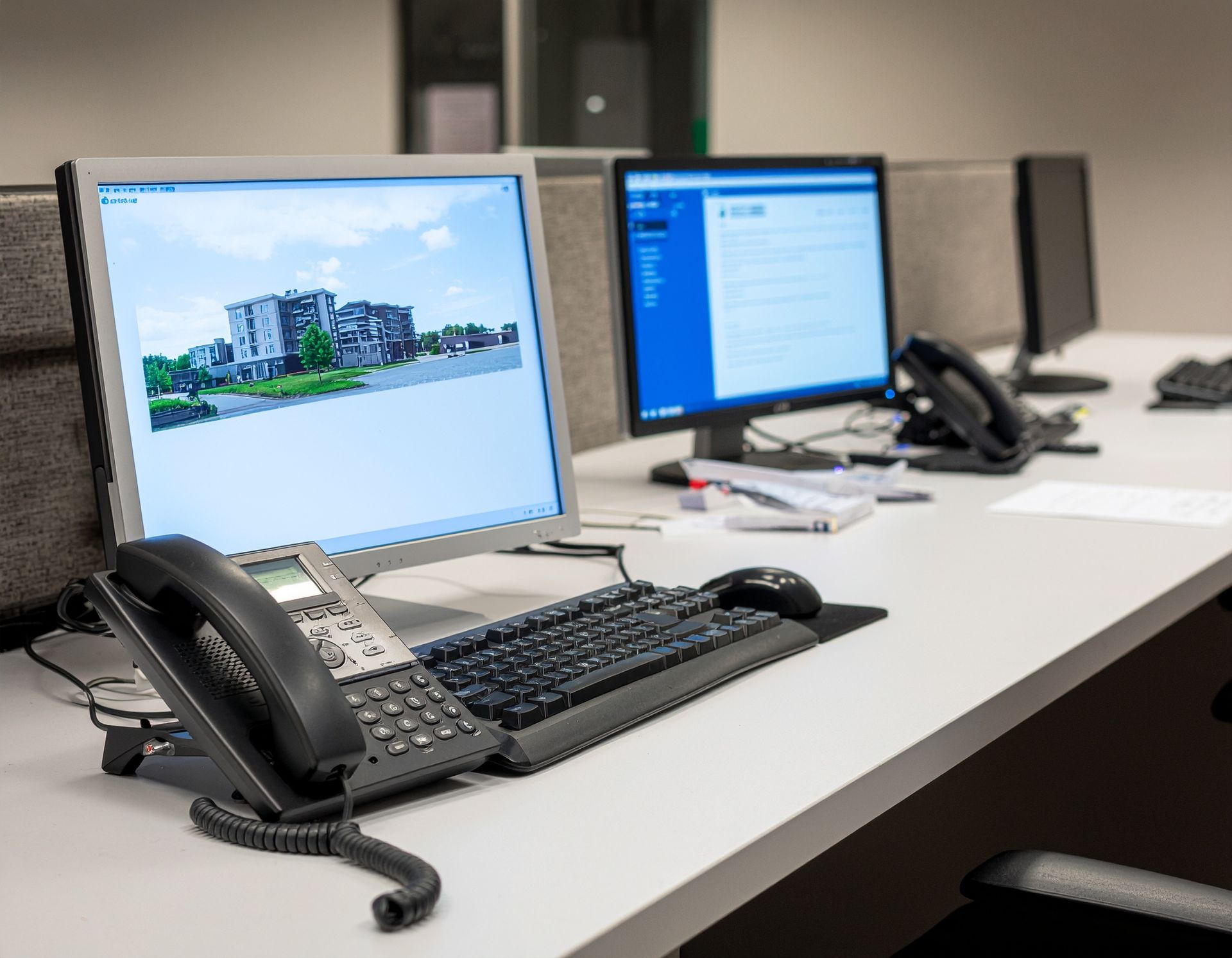
Explore how Allierad resolved VoIP communication issues, restored reliable voicemail delivery, and managed software support for a construction company’s mobile and remote staff.
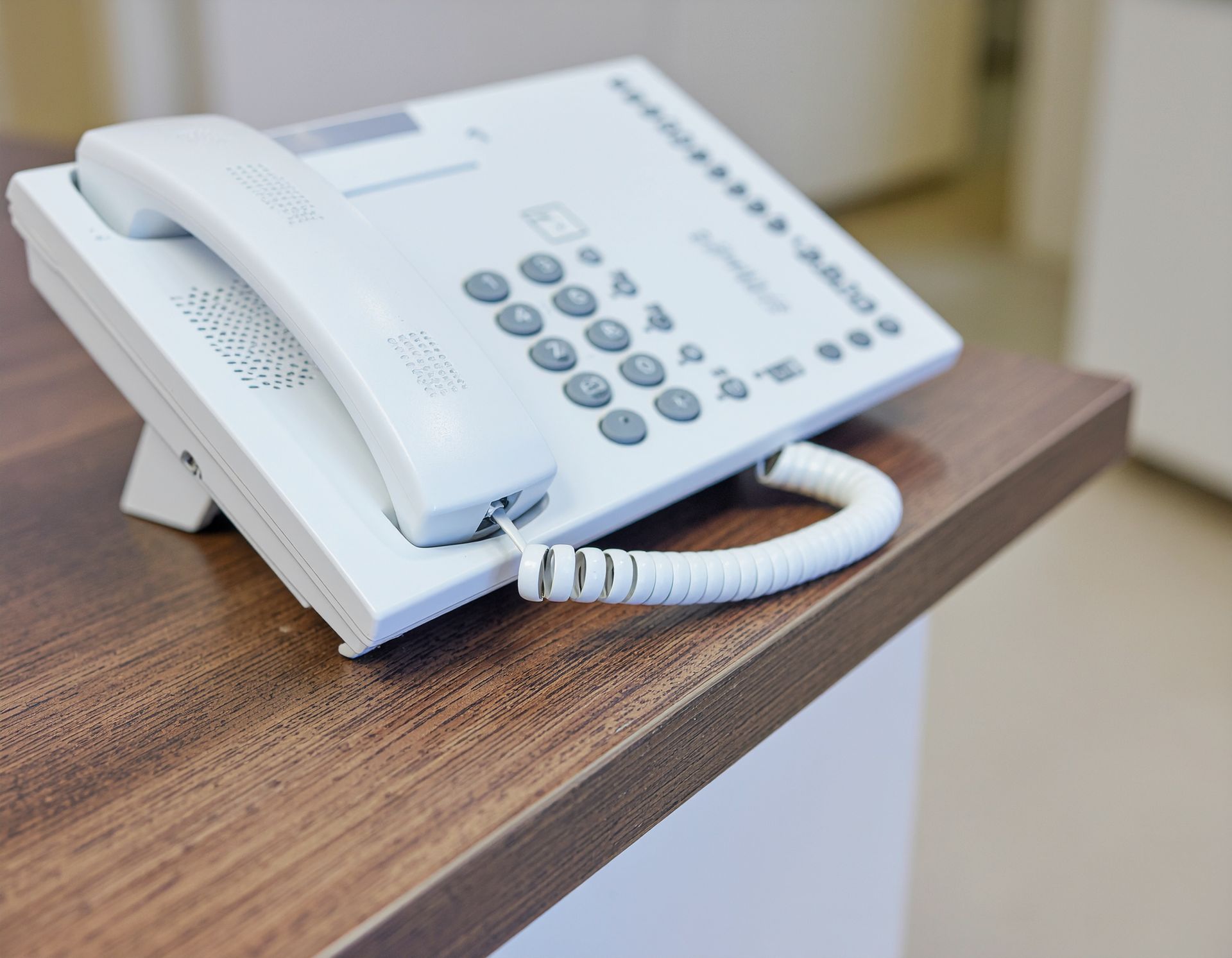
Learn how Allierad integrated phone systems and email for a medical clinic to improve communication efficiency, streamline workflows, and support secure patient interactions.
Explore this Allierad case study on fixing a non‑functional operatory monitor — from onsite diagnosis to hardware correction — enhancing clinical workflows and patient education.
Discover how Allierad smoothly executed a scanner replacement and reconfiguration project, improving efficiency and workflow for a busy practice.
Learn how Allierad helped a dental practice replace failing computers with modern hardware, complete software setup, and streamlined workflows for faster, reliable operations.
Learn how Allierad upgraded a dental office with seamless printer installation, improving connectivity, performance, and workflow efficiency.
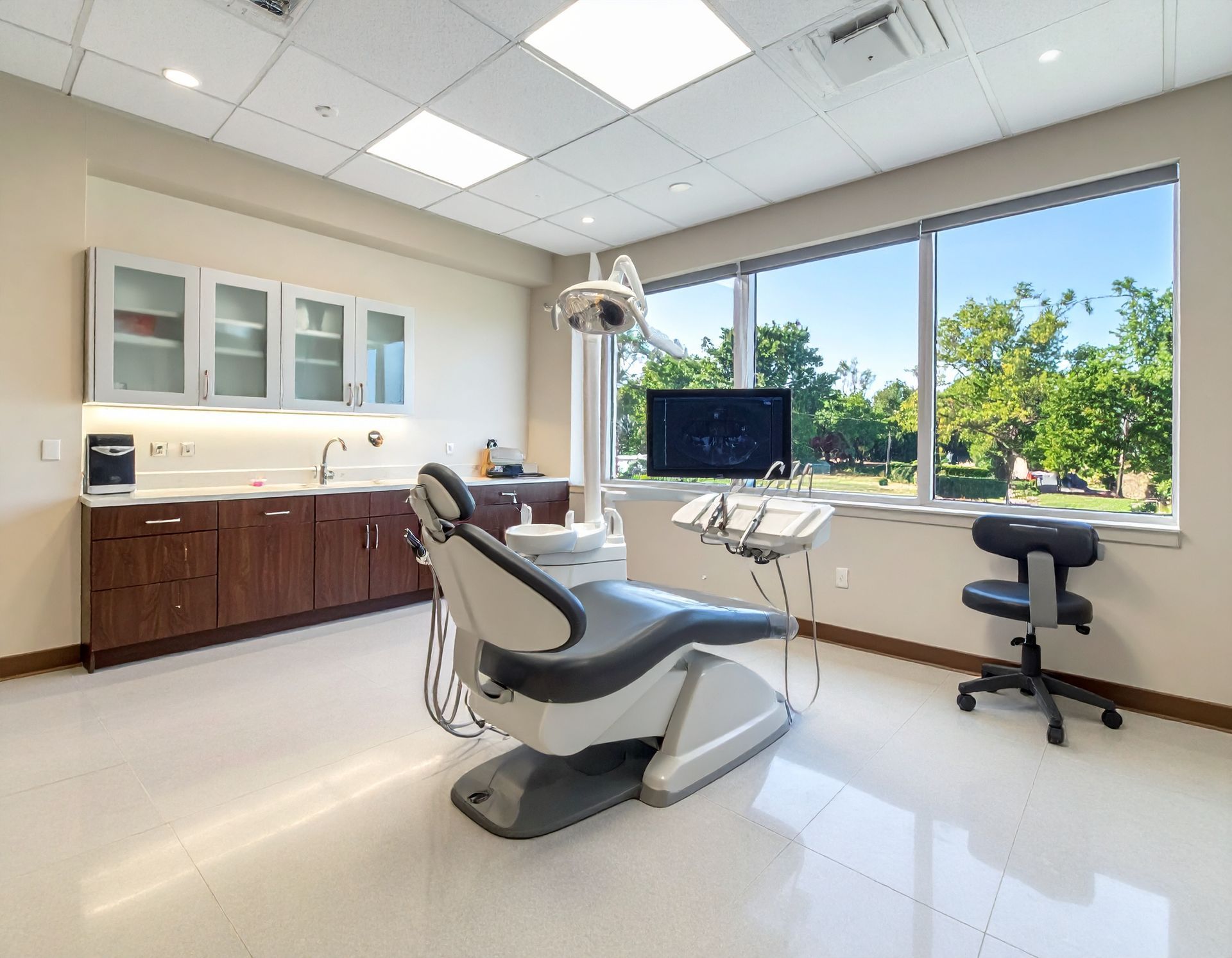
Read this case study on Allierad’s IT services for a dental office in Aubrey, TX — improving infrastructure, stability, and user experience for a busy clinic.
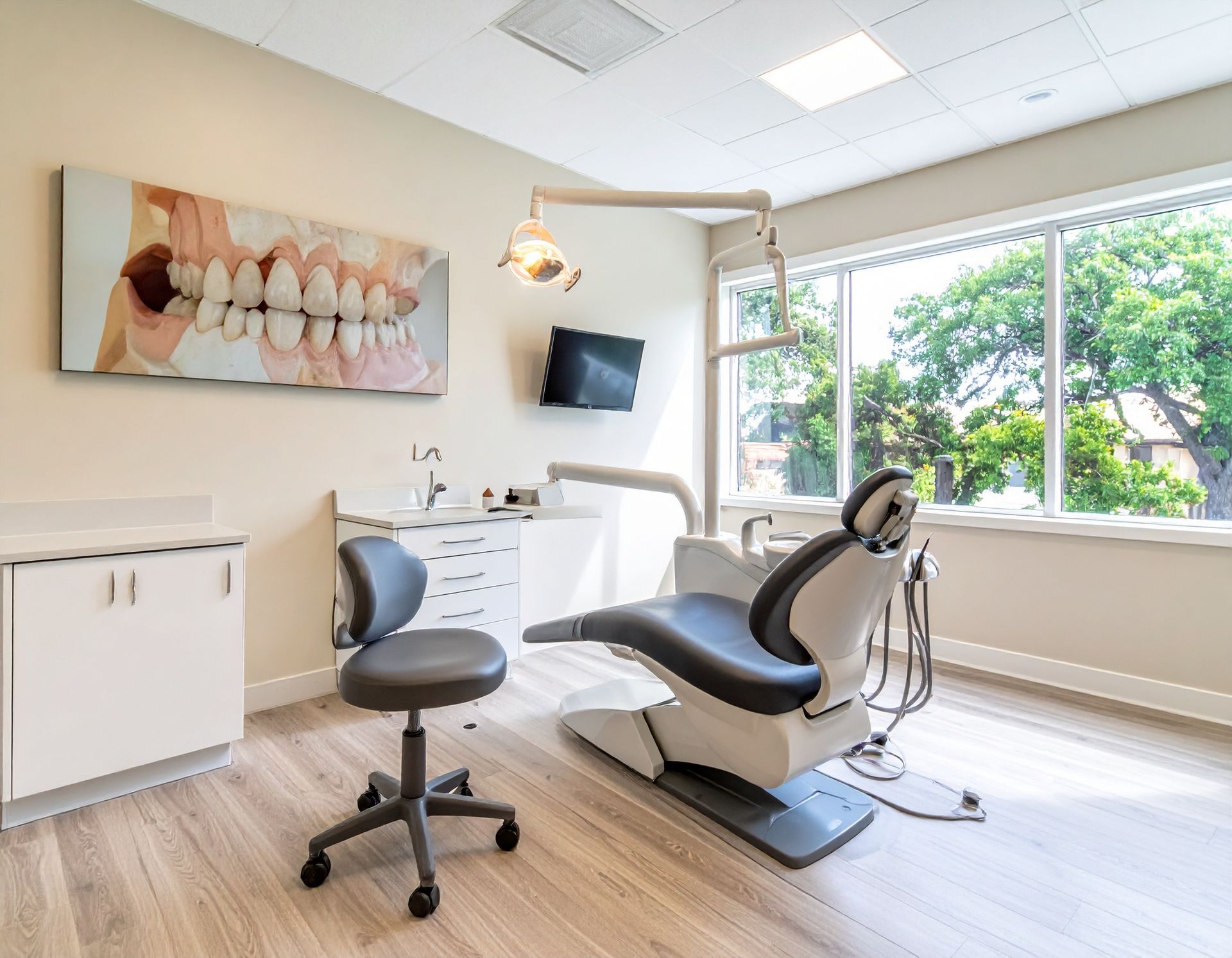
Explore this case study on tailored IT support for a periodontal practice in The Woodlands, Texas — improving tech performance and clinical efficiency.